The following is my past short essay for the institute after the study session on the 1923 Great Kanto Earthquake at the open office event:
In 1923, an earthquake killed over 105,000 people in the Tokyo area (including Kanagawa, where contributes approx. 30% death toll of the total). But here’s the shocking truth—87% weren’t killed by the shaking. They were killed by fire.
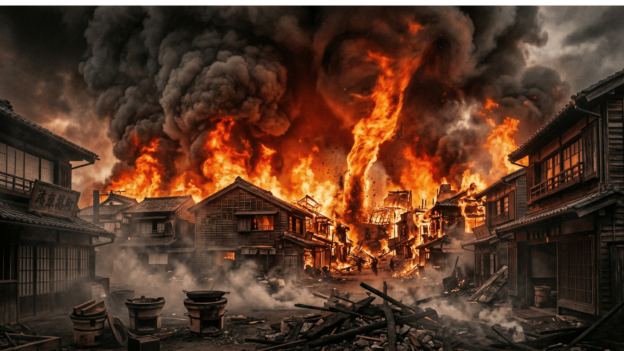
September 1, 1923. The earthquake struck at 11:58 AM—two minutes before noon—when families across Tokyo were cooking lunch over open flames. Within an hour, over 100 fires erupted across a city built almost entirely of wood and paper.
The fires merged into massive firestorms, generating winds so powerful they created fire tornadoes—what survivors called “dragon twists.” At the Honjo Clothing Depot, 40,000 refugees thought they’d found safety in an open field. At 4:00 PM, a fire tornado swept through. Within minutes, 38,000 people perished—over a third of the entire disaster’s death toll, in one location.
What’s tragic is that seismologist Imamura Akitsune had predicted this exact scenario 18 years earlier. He warned that cooking fires would turn an earthquake into an inferno. His senior colleague ridiculed him publicly. Imamura was right.
Japan learned. In 1960, September 1st became Disaster Prevention Day. Every Japanese child now practices earthquake drills. Gas meters have automatic seismic shut-offs. Tokyo’s wide avenues and parks? They were designed as firebreaks. The deadliest disasters aren’t always the ones we expect. Sometimes the real killer comes after.