【Disaster Research】The 1983 Sea of Japan Earthquake and Tsunami: A Pivotal Disaster in Japanese History

On May 26, 1983, a powerful 7.8 magnitude earthquake struck the Sea of Japan, triggering a devastating tsunami that would change Japan’s approach to disaster preparedness forever. This catastrophic event, officially known as the 1983 Nihonkai-Chubu earthquake, claimed 104 lives and reshaped coastal communities along the Japanese coastline.

Three Critical Aspects of the 1983 Tsunami Disaster

1. Unexpected Tsunami Location Challenged Historical Beliefs

A longstanding belief persisted among coastal communities that tsunamis never struck the coast of the Sea of Japan. This normalcy bias—the tendency to minimize threat warnings and assume things will function as normal despite signs to the contrary—significantly amplified the disaster’s impact. Communities along the western coast had not prepared adequately for such an event, leaving them vulnerable when waves struck shores in Aomori and Akita Prefectures and along the eastern coast of Noto Peninsula.

2. First Globally Broadcast Tsunami Disaster

The 1983 tsunami marked a historic milestone in disaster reporting as the first tsunami disaster broadcast worldwide in real-time. Civilians with home video cameras captured footage that was incorporated into media coverage, providing unprecedented documentation of the disaster as it unfolded. This extensive coverage catalyzed significant improvements to Japan’s tsunami warning system, enhancing wireless tsunami information transmission from the Sea of Japan to local areas.

3. Tragic Impact on Schoolchildren

One of the most heartbreaking aspects of the disaster involved a school excursion caught in the tsunami’s path. Forty-three schoolchildren were struck by the waves, with thirteen losing their lives. Teachers present during the disaster found themselves unable to protect all their students—a tragedy that would find haunting parallels during the 2011 Great East Japan Earthquake and Tsunami. Both devastating events occurred during daylight hours, presenting unique challenges for evacuation and response.

Legacy and Lessons Learned

The 1983 Sea of Japan earthquake and tsunami fundamentally changed Japan’s understanding of tsunami risk zones and highlighted the dangers of complacency in disaster preparedness. The disaster’s documentation and worldwide broadcast raised global awareness about tsunami dangers and influenced modern early warning systems that continue to evolve today.

For more information about normalcy bias and its impact on disaster response:

【Disaster News】Climate Change & Extreme Weather: What Americans Really Think

DALLE 2025.03.05

 Did you know that 80% of Americans have faced extreme weather recently? And most blame climate change!

Today, I gonna talk about America’s risk perception on climate change.

A new AP poll reveals 3 in 4 Americans who’ve experienced severe winter weather believe climate change played a role. While only 25% feel personally impacted today, 40% expect climate change to affect their lives in the future – especially younger people.

About 70% of Americans now recognize climate change as real with potentially major consequences. This awareness has grown through increased media coverage and political discussions.

People are particularly worried about rising insurance premiums and energy costs tied to climate change. Most Americans support helping communities prone to disasters, though they’re split on whether to restrict building in vulnerable areas.

As extreme weather becomes more common, Americans are connecting the dots to climate change – the message is clear: it’s not just about heat waves anymore.

I feel the same!

Souce: AP (Associate Press)

【Disaster News】FEMA Cuts before Hurricane Season: What you need to know

DALLE 20250304

Today, I gonna talk about the FEMA cost cuts.

Hurricane season is just 3 months away, but FEMA just lost 200 employees. Should you be worried?

 The Trump administration has made major budget cuts to FEMA and other disaster agencies as part of a government streamlining effort guided by Elon Musk.

These cuts don’t just affect FEMA – they’ve also hit HUD and NOAA, agencies crucial for weather forecasting and housing recovery after disasters.

States like Texas, which depend heavily on federal disaster funds, could face delayed or reduced assistance during emergencies.

Local officials in Houston, still rebuilding from past storms, now question how these changes will impact their disaster preparations.

 Some Republicans argue these cuts eliminate waste, while critics warn they’ll cripple response times when disasters strike – especially with storms becoming more frequent and severe.

If you live in a disaster-prone area, now might be the time to strengthen your personal emergency plans before hurricane season arrives.

News Source: Houston Chronicle

【Disaster Research】Thailand Natural Disaster Risk Assessment: A Comprehensive Analysis (Revised)

Understanding Disaster Risk Profiles in Thailand

As highlighted in the Bangkok Post article, “More must be done to fight climate change“, Thailand faces significant challenges from various natural disasters. This analysis presents a national risk assessment mapping to help identify priority areas for disaster management.

Historical Disaster Impact Analysis

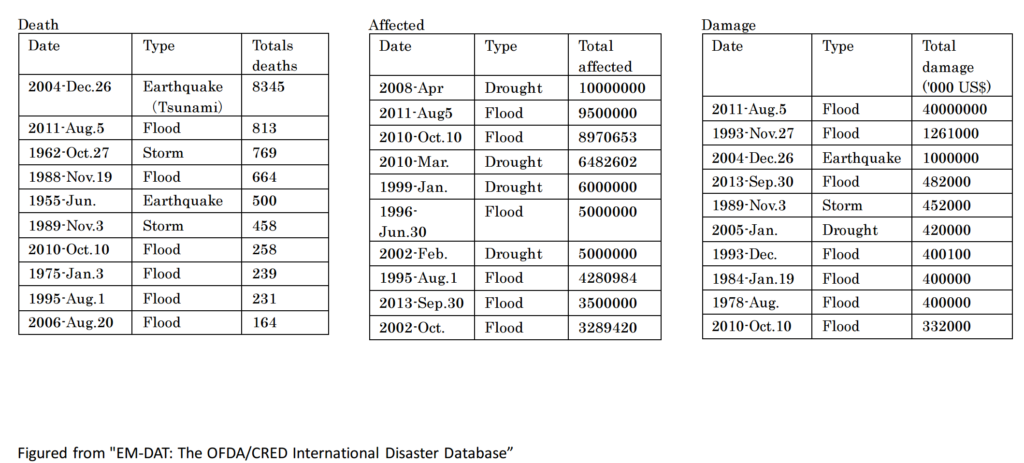
Table 1  Disaster data in Thailand

em-dat_thailand
The EM-DAT database analysis covers disasters from 1900 to 2014. Notably, the most severe impacts—measuring deaths, affected populations, and economic damage—have occurred primarily since the 1970s. Two catastrophic events stand out in Thailand’s disaster history:

These events have dramatically shaped Thailand’s approach to disaster risk management.

Risk Assessment Mapping Framework

riskmapping_thailand
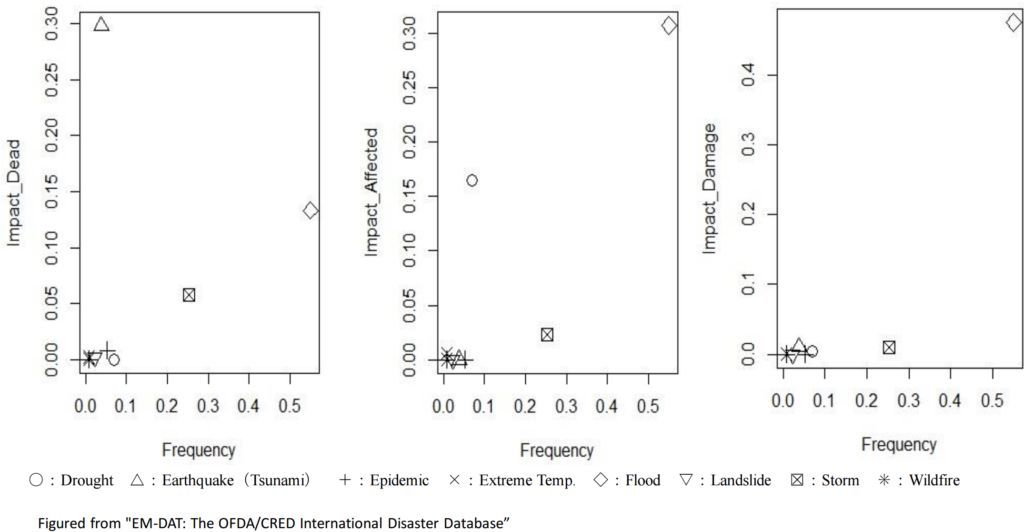
Figure 1 National Risk Assessment Mapping in Thailand

The above visualization presents Thailand’s risk assessment map created using EM-DAT data spanning 1900-2014. This frequency-impact analysis by damage type offers a straightforward yet comprehensive overview of Thailand’s disaster risk landscape.

Risk Evaluation Matrices

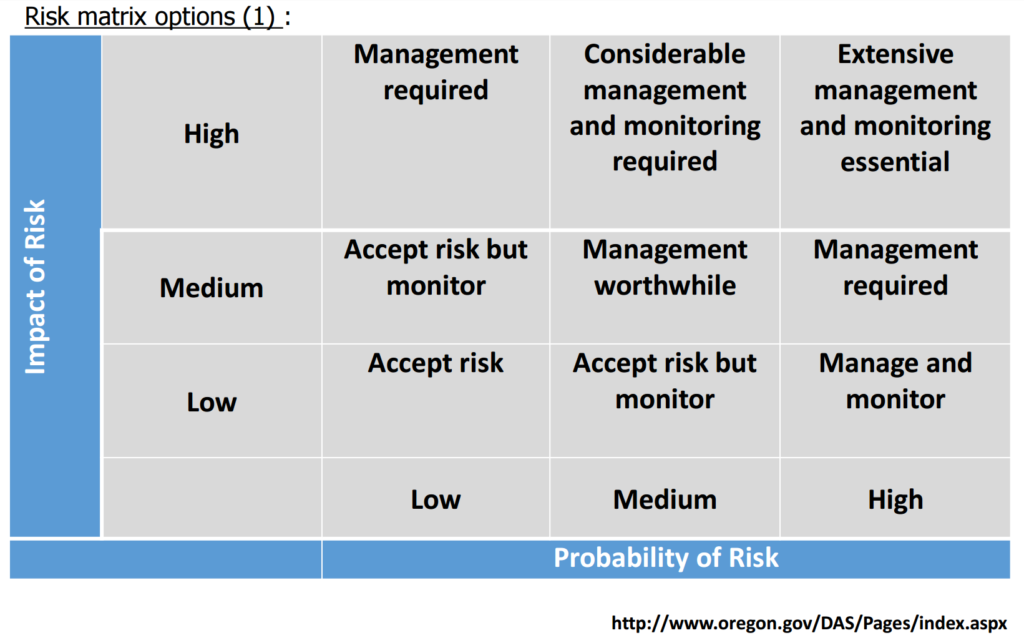
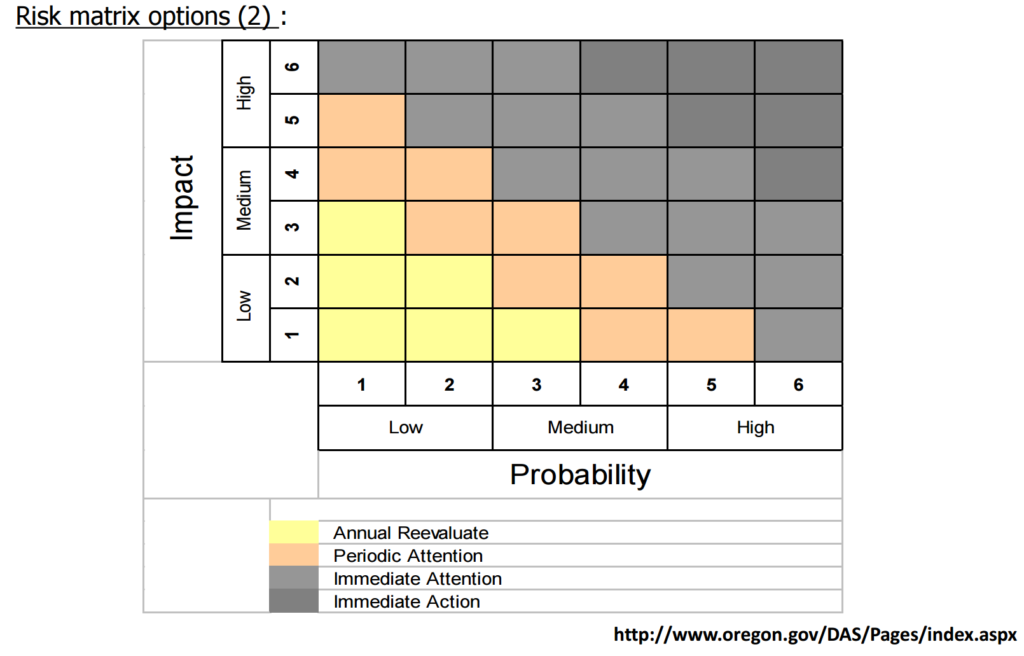
To properly contextualize these risks, we employ two complementary evaluation matrices:

riskoption1
Figure 2 Risk matrix options (1)

riskoption2
Figure 3 Risk matrix options (2)

Key Findings and Priorities

The risk assessment mapping (Figure 1) clearly identifies flooding as Thailand’s most critical disaster risk requiring immediate attention and resources. According to the evaluation matrices shown in Figures 2 and 3, flood events necessitate:

  • Extensive management systems
  • Comprehensive monitoring networks
  • Immediate action planning and implementation

This preliminary analysis serves as a foundation for more detailed research. A report for the conference (Conference: 13th International Conference on Thai Studies) has published a more comprehensive examination of these findings.

Additional Resources

For more information on disaster risk reduction in Southeast Asia, visit the natural hazards research journal (open access) .

Day_65 : 1991 Unzen Fugendake Volcano Eruption

1991 Unzen Fugendake Volcano Eruption Killed 43 people. This disaster has taught a lot of lessons. The key words are media, volunteer firefighters, police officers, and an evacuation area. The people were all dead in the evacuation area. During the volcano eruption, media people tried to get into the area to shoot pictures, videos, and report. They went into the local people’s houses. The residents were worried about their belongings in their houses. So many volunteer firefighters (12) also went into the area to check, and police officer (2) also did that. The taxi drivers (4) bring them into the area. They all died in the area. Katia Krafft and Maurice Krafft, world’s famous French volcanologists were also dead during the disaster.


Wikipedia (Katia and Maurice Krafft)
https://en.wikipedia.org/wiki/Katia_and_Maurice_Krafft

Wikipedia (Unzen Fugendake Pyroclastic flow, Japanese)
https://ja.wikipedia.org/wiki/%E9%9B%B2%E4%BB%99%E5%B2%B3#1991.E5.B9.B46.E6.9C.883.E6.97.A5.E3.81.AE.E7.81.AB.E7.A0.95.E6.B5.81

Day_64 : 1985 Nevado del Ruiz Volcano Eruption

One of the most significant volcanic disasters we must know about is the 1985 Nevado del Ruiz volcano eruption. Approx.23000 citizens in Armero city were dead. The cultural aspects were embedded in this disaster. The disaster was predicted. The hazard maps indicate that the city will be affected by a volcanic eruption and lahars. Both priest and mayor told the citizens to stay in the same place because they were afraid of panic before the time, but did not tell them to evacuate. That made tragedy. The people in the city tended to follow both persons because of the culture, which is a religious and vertically structured society. There were also other factors*.


*https://en.wikipedia.org/wiki/Nevado_del_Ruiz#Eruption_and_lahars


Day_63: Snowstorm Disaster : Stories and Projects – The father held his daughter in his arms

There were nine casualties caused by heavy snowstorms in Hokkaido on 2-3 March 2013.
In Yubetsu town, a father (58) was found dead. But his daughter (9) survived. The father held his daughter in his arms to protect her from coldness.
In Nakashibetsu town, four were dead. They died in a car because they stopped the car and could not go out because of the conditions. They tried to call acquaintances for help again and again. However, they could not get help during that time.

The Snow and Ice Research Center, NIED (National Research Institute for Earth Science and Disaster Prevention), has launched a project to prevent snowstorm disasters after the disaster in Nakashibetsu. The project focused on the snowstorm prediction system not only for officers but also for local people. It is difficult to predict the storm because it happens with complex conditions, such as snow drift and storms. I needed to check not only the weather but also the land conditions.

An example of the use is that the school children stopped to go back home because the snow storm was predicted on their way home.


Day_209 : Snow Disasters: When Winter Wonderland Turns into a Nightmare

Winter’s beauty can turn dangerous with heavy snow, blizzards, and ice storms. These snow disasters cause power outages, transportation chaos, and property damage. But what causes them, and how can we prepare?

The Science of Snowstorms

Snow disasters happen when cold temperatures, precipitation, and wind combine. Think of heavy snowfall, icy roads, and massive snowdrifts. Climate change is making things worse with more intense snow and hazardous ice.

The Impact

Snow disasters disrupt transportation, causing accidents and delays. Power lines snap under the weight of snow, leading to blackouts. Buildings can even collapse, and ice dams cause leaks and damage.

Fighting Back: Snow Removal and Prevention

Traditional methods like shoveling and plowing are still essential. But we now have snowblowers, snowmelt systems, and de-icing techniques. Advanced weather prediction helps us prepare, and GPS-guided snowplows clear roads faster.

Be Prepared!

Even with the best technology, snowstorms can still hit hard. Have an emergency kit with food, water, blankets, and a first aid kit. Plan for transportation and communication in case of an emergency.

Stay safe and warm this winter!

# Image Source: Unsplash‍


Day_208 : Understanding Disease Complexity: A Modern Perspective

The disease is far more than a simple malfunction in the body—it’s a complex interplay of multiple factors that affect millions worldwide. Understanding this complexity is crucial for developing effective treatments and prevention strategies.

The Three Pillars of Disease Development

  1. Genetic Factors

Our genetic makeup significantly influences disease susceptibility. A notable example is the BRCA1 and BRCA2 genes (Breast Cancer genes), which normally help repair damaged DNA and suppress tumor growth. When these genes have mutations, they can significantly increase a person’s risk of developing breast and ovarian cancer, demonstrating how genetic variations can impact our health.

  1. Environmental Influences

External factors—from air pollution to workplace exposures—can trigger disease development. For instance, asbestos exposure’s link to mesothelioma demonstrates how environmental factors can interact with genetic predispositions.

  1. Lifestyle Choices

Diet, physical activity, and stress management play crucial roles in preventing and progressing diseases. These modifiable factors often represent our best opportunity for disease prevention.

COVID-19: A Case Study in Disease Complexity

The COVID-19 pandemic perfectly illustrates the intricate nature of the disease. This single virus has demonstrated how multiple factors affect disease outcomes:

  • Genetic Factors: Studies have shown that genetic variations can influence the severity of COVID-19, with some people more susceptible to serious illness.
  • Environmental Impact: Population density, indoor ventilation, and climate conditions all affect virus transmission rates.
  • Social Determinants: Access to healthcare, living conditions, and occupation type have significantly influenced infection rates and outcomes.
  • Individual Responses: The wide range of symptoms—from asymptomatic cases to severe illness—highlights how differently individuals can respond to the same pathogen.

This pandemic has also accelerated medical innovations, from mRNA vaccine development to telemedicine adoption, showing how crisis can drive healthcare advancement.

The Future of Disease Management

Modern medicine is moving away from one-size-fits-all approaches. Personalized medicine, which considers an individual’s unique genetic profile and environmental exposures, is becoming the new standard. Technologies like pharmacogenomics help doctors prescribe medications that will work best for each patient while minimizing side effects.

Looking Ahead

As we continue to understand disease complexity, new technologies, and research methods are opening doors to better treatments. From wearable devices to telemedicine, these advances are making healthcare more accessible and effective than ever before.

Understanding disease complexity isn’t just academic—it’s the key to developing better treatments and prevention strategies that can improve health outcomes for everyone.

Day_207 : Lessons from Hurricane Katrina: A Retrospective Analysis and Future Implications for Disaster Risk Reduction


The picture was taken in Mississippi on December 3, 2005.

Nearly two decades have passed since Hurricane Katrina devastated the Gulf Coast, particularly New Orleans, in 2005. As we reflect on this catastrophic event, it’s crucial to reassess our understanding of the disaster, its impacts, and the lessons learned for future disaster risk reduction efforts. This updated analysis incorporates new research, recent case studies, and current best practices in disaster management to provide a comprehensive view of Hurricane Katrina’s long-lasting effects and implications for disaster preparedness.

Revisiting the Data: The Importance of Pre-Disaster Information

One of the most valuable resources for understanding the pre-Katrina landscape was the Greater New Orleans Community Data Center (GNOCDC) website. This data repository provided detailed demographic and socioeconomic information at the parish and ward levels, offering crucial insights into the social fabric of affected areas.

Key Findings from Pre-Katrina Data

  1. Vehicle Ownership: Data from GNOCDC revealed significant disparities in vehicle ownership across New Orleans neighborhoods. For instance, the Lower 9th Ward, one of the most severely affected areas, had a low rate of vehicle ownership. This factor critically impaired residents’ ability to evacuate independently, necessitating government assistance for evacuation.
  2. Socioeconomic Disparities: Analysis of household incomes, education levels, and employment rates across different wards highlighted pre-existing vulnerabilities that exacerbated the disaster’s impact.
  3. Housing Quality: Information on housing stock age and quality provided insights into structural vulnerabilities that contributed to the extent of physical damage.

The Victimization Process: A Multi-Stage Analysis

Understanding the disaster’s impact requires examining multiple stages of the event and its aftermath. Building on the original five-stage model (Pre-disaster, Direct Damage, Social Disorder, Life Environment, and Reconstruction and Recovery), recent research has emphasized the interconnectedness of these stages and their long-term implications.

Updated Insights on Disaster Stages

  1. Pre-disaster Stage:
    • New research highlights the critical role of community-based preparedness programs in enhancing resilience.
    • Studies show that areas with strong social networks and community engagement had better evacuation rates and post-disaster recovery.
  2. Direct Damage Stage:
    • Advanced modeling techniques have improved our understanding of infrastructure vulnerabilities, particularly in flood-prone areas.
    • Recent case studies from hurricanes like Harvey (2017) and Ida (2021) provide comparative data on immediate impact patterns.
  3. Social Disorder Stage:
    • Long-term studies have revealed the persistent psychological impacts of displacement and community disruption.
    • New frameworks for maintaining social order during disasters emphasize the importance of clear communication and community leadership.
  4. Life Environment Stage:
    • Research on environmental health impacts has expanded, including studies on mold exposure and water contamination.
    • The concept of “build back better” has gained traction, influencing reconstruction efforts to enhance resilience.
  5. Reconstruction and Recovery Stage:
    • Long-term studies show uneven recovery patterns, with some neighborhoods thriving while others continue to struggle.
    • The role of federal, state, and local policies in shaping recovery outcomes has been extensively analyzed, offering lessons for future disaster recovery planning.

Emerging Trends in Disaster Risk Reduction

Since Hurricane Katrina, several key trends have emerged in the field of Disaster Risk Reduction:

  1. Climate Change Adaptation: There’s an increased focus on integrating climate change projections into disaster preparedness and urban planning.
  2. Community-Based Disaster Risk Management: Emphasizing local knowledge and community participation in disaster planning and response.
  3. Technological Advancements: Utilization of GIS, remote sensing, and AI for improved risk assessment and early warning systems.
  4. Social Vulnerability Mapping: More sophisticated tools for identifying and addressing vulnerabilities based on socioeconomic factors.
  5. Nature-Based Solutions: Growing emphasis on using natural ecosystems to mitigate disaster risks, such as wetland restoration for flood control.

Actionable Recommendations

Based on lessons learned from Katrina and subsequent disasters, here are key recommendations for enhancing disaster resilience:

  1. Invest in Inclusive Preparedness: Ensure evacuation plans and resources are accessible to all community members, especially those with limited mobility or resources.
  2. Strengthen Infrastructure Resilience: Implement stricter building codes and invest in critical infrastructure upgrades, particularly in vulnerable areas.
  3. Enhance Early Warning Systems: Develop multi-channel, culturally appropriate warning systems that reach all segments of the population.
  4. Foster Community Cohesion: Support programs that build social capital and community networks, which are crucial for both evacuation and recovery.
  5. Integrate Social Vulnerability in Planning: Use social vulnerability indices to inform resource allocation and targeted support in disaster planning and response.
  6. Promote Sustainable Recovery: Implement recovery strategies that not only rebuild but also address pre-existing social and environmental issues.
  7. Continuous Learning and Adaptation: Establish mechanisms for ongoing assessment and incorporation of lessons learned from each disaster event.

The tragedy of Hurricane Katrina continues to offer valuable lessons for disaster risk reduction. By combining data-driven analysis with a nuanced understanding of social and environmental factors, we can work towards creating more resilient communities. As we face increasing challenges from climate change and urban growth, the insights gained from studying Katrina’s impact remain crucial for shaping effective disaster management strategies worldwide.

Hurricane Katrina Disaster Research conducted by NIED(in Japanese)

A comparative analysis of large-scale flood disasters