When a large earthquake occurs at the bottom of the ocean, the ground suddenly lifts and sinks. This movement directly affects the surface of the ocean, creating large waves that spread far and wide. This is the typical way an earthquake-induced tsunami starts. Smaller earthquakes do not cause tsunamis because the shape of the ocean floor does not change much. Also, if an earthquake occurs very deep in the ocean, tsunamis do not occur because their effects do not reach the surface of the ocean. Large tsunamis are caused by huge earthquakes in deep ocean trenches, which are caused by the subduction of the Earth’s plates. In this type of earthquake, the ocean surface is pushed up or pulled down. On the side where the ocean is pushed up, the waves rise; on the side where it is pulled down, the ocean lowers. Which of the two is the first wave of a tsunami has a lot to do with how you perceive the danger and how you escape; the nature of the tsunami that hit Sumatra in 2004 (magnitude 9.0) caused the southern part of Thailand to be hit by a wave that pulled the ocean down, and the nature of this tsunami increased the damage.
Category Archives: Disaster Reponse
Day_153 : Reported Death Numbers
I will update a column of the NIED e-mail magazine which I wrote a long time ago because the content is not faded with time. (I will do this step by step in Japanese and English.) I will also add comments to update the situation.
Published February 4, 2010
NIED-DIL e-mail magazine: Reported fatalities due to disasters
January 12 There was a big earthquake in Haiti. The consequences are still a major social issue, but at an early stage, the President declared that the number of casualties reached 200,000.
At the time of the Hurricane Katrina disaster at the end of August 2005, the first report was 10,000 casualties. But, in the end, there were about 1,300. I felt that nationality, culture, and so on became apparent compared to Japan.
A typical case in Japan is the Great Hanshin-Awaji Earthquake. I was living in Kyoto and worked in Kyoto City at that time. I remember that around 7 a.m., it was reported on TV that there were only a few deaths. As time went by, it increased to hundreds and thousands.
The U.S. tends to have a top-down and strategic approach; on the other hand, Japan seeks bottom-up and accurate process to disclose the number. In the 2004 Indian Ocean tsunami, reported death tolls in affected countries fluctuated, but taking this into account is a way to understand the disasters that reflect the country’s situations, including social backgrounds, cultures, economies, and so on.
Regarding Haiti, the number of reported deaths increases with time. I pray that the number will not be so huge.
P.S.
For example, the following World Vision website considers the current estimated death to be 250,000. In short, the first report ended up gaining some meaning.
https://www.worldvision.org/disaster-relief-news-stories/2010-haiti-earthquake-facts
Day_186: Timeline for Hurricane Sandy
Moving forward, it is crucial
Hurricane Sandy, which struck the East Coast of the United States in October 2012, is often cited as a case where disaster management and the use of a disaster management timeline played a crucial role in mitigating impacts and facilitating recovery. The response to Hurricane Sandy involved extensive pre-event planning and post-event recovery efforts that spanned the four phases of disaster management: mitigation, preparedness, response, and recovery.
1. Mitigation
Prior to Hurricane Sandy, New York had already invested in some mitigation measures based on lessons learned from previous storms, though the scale of Sandy’s impact highlighted the need for more extensive measures.
How New York Used Mitigation:
The city had begun to implement its PlaNYC initiative, aimed at preparing the city’s infrastructure for the impacts of climate change, including rising sea levels and more frequent severe weather events.
2. Preparedness
As Hurricane Sandy approached, New York’s state and city officials took several steps to prepare for the impending storm.
How New York Used Preparedness:
Evacuation Orders: Mandatory evacuation orders were issued for residents in low-lying areas, known as Zone A, affecting approximately 375,000 people.
Public Information: Information was disseminated through multiple channels, including social media, to keep the public informed about the storm’s progress and safety measures.
Transit Shutdown: The Metropolitan Transportation Authority (MTA) shut down subway, bus, and commuter rail services in anticipation of the storm to protect the system and its users.
3. Response
Once Hurricane Sandy made landfall, the response phase was immediate, with efforts focused on life-saving measures and ensuring the safety of the affected population.
How New York Used Response:
Emergency Services: First responders and emergency services worked tirelessly to rescue those stranded by the floodwaters and to provide immediate aid.
Power Restoration: Efforts were quickly organized to restore power to the millions of residents left in the dark.
Supply Distribution: Critical supplies, including food and water, were distributed to residents, especially in the hardest-hit areas.
4. Recovery
The recovery from Hurricane Sandy has been long-term, with efforts ongoing in some areas years after the storm.
How New York Used Recovery:
Rebuilding Infrastructure: Significant investments were made to rebuild and strengthen the city’s infrastructure, including electrical grids, transportation systems, and coastal defenses.
Resilience Planning: The storm’s impacts led to a heightened focus on resilience and the development of more robust plans to protect against future disasters, such as the “Rebuild by Design” competition that sought innovative solutions for coastal protection.
Community Support and Rebuilding: Efforts were made to support affected communities through the rebuilding process, including financial assistance for homeowners and businesses.
Lessons Learned and Implementation
The response to Hurricane Sandy highlighted the importance of preparedness and the need for robust mitigation and recovery planning. New York’s experience with Sandy has informed subsequent disaster management efforts, emphasizing the need for resilient infrastructure, comprehensive planning, and community involvement in disaster preparedness and recovery strategies.
The use of a disaster management timeline in the context of Hurricane Sandy demonstrated how proactive and reactive measures can mitigate the impact of such events and aid in the recovery process. It also showed the importance of continuous improvement in disaster management plans, incorporating lessons learned to enhance future preparedness and response efforts.
References:
Rosen, Y., & Yakubov, N. (2013). Hurricane Sandy: Lessons Learned from the Severely Damaged Coney Island Hospital, Prehospital and Disaster Medicine, 28(6), 643. https://doi.org/10.1017/
Barthel, E. R., Pierce, J. R., Speer, A. L., Levin, D. E., Goodhue, C. J., Ford, H. R., Grikscheit, T. C., & Upperman, J. S. (2013). Delayed family reunification of pediatric disaster survivors increases mortality and inpatient hospital costs: A simulation study. *Journal of Surgical Research*, 184(1), 430. https://doi.org/10.1016/j.jss.
Deitchman, S. (2013). Enhancing Crisis Leadership in Public Health Emergencies. Disaster Medicine and Public Health Preparedness, 7(5), 534. https://doi.org/10.1017/dmp.
Schmeltz, M. T., González, S. K., Fuentes, L., Kwan, A., Ortega-Williams, A., & Cowan, L. P. (2013). Lessons from Hurricane Sandy: A Community Response in Brooklyn, New York. *Journal of Urban Health*, 90(5), 799. https://doi.org/10.1007/
Freund, A., Zuckerman, N., Luo, H., Hsu, H.-H., & Lucchini, R. (2014). Diesel and Silica Monitoring at Two Sites Following Hurricane Sandy. *Journal of Occupational and Environmental Hygiene*, 11(9), D131. https://doi.org/10.1080/
Solecki, W., & Rosenzweig, C. (2014). Climate Change, Extreme Events, and Hurricane Sandy: From Non-Stationary Climate to Non-Stationary Policy. *Journal of Extreme Events*, 01(01), 1450008. https://doi.org/10.1142/
Johnson, D. A. (2023). Exploring the Effectiveness of 311 Data in Disaster Recovery and Response: A Case Study of Hurricane Sandy in New York City. *Academic Commons*. Columbia University. https://academiccommons.
Petkova, E. P., Beedasy, J., Oh, E. J., Sury, J., Sehnert, E. M., Tsai, W.-Y., & Reilly, M. J. (2017). Long-term Recovery From Hurricane Sandy: Evidence From a Survey in New York City. (Disaster Medicine and Public Health Preparedness). https://doi.org/10.1017/dmp.
Federal Emergency Management Agency. (n.d.). Remembering Sandy Five Years Later. Retrieved from https://www.fema.gov
These references cover a range of topics related to the impact of Hurricane Sandy, including healthcare challenges, family reunification, crisis leadership, community responses, monitoring of environmental hazards, policy changes due to climate change, the effectiveness of using public data for disaster recovery, and long-term recovery challenges faced by residents.
Day_185:TImeline for Disaster Management
I wanted to share with you a brief overview of the timeline for disaster management. As someone with extensive experience in this field, I believe integrating this timeline with empirical insights from past disasters could further enhance the effectiveness of disaster management strategies.The timeline consists of four main phases: mitigation, preparedness, response, and recovery, based on the disaster management cycle. Mitigation focuses on reducing the impact of disasters through long-term measures. Preparedness involves planning and preparing to respond to a disaster. The response phase is activated when a disaster occurs, and the recovery phase focuses on restoring the affected community.Implementing the timeline requires collaboration and coordination, community involvement, and continuous improvement. By understanding and utilizing this timeline, disaster management professionals can effectively plan for and respond to disasters, ultimately reducing their impact on communities.
A timeline for disaster management typically outlines the chronological steps and phases involved in preparing for, responding to, and recovering from disasters. This timeline can be crucial for organizations, governments, and communities to manage the impacts of disasters efficiently. The timeline usually spans before, during, and after a disaster occurs and is divided into four main phases: mitigation, preparedness, response, and recovery. Here’s a brief overview:
1. Mitigation
Mitigation involves efforts to reduce the impact of disasters. This phase includes long-term measures aimed at minimizing or altogether avoiding the effects of disasters. Examples include building dams or levees to prevent flooding, enforcing building codes to withstand earthquakes, and implementing fire management strategies in wildfire-prone areas.
How to use:
Implement building and infrastructure standards that can withstand natural disasters.
Conduct environmental assessments and hazard analyses to identify risks and vulnerabilities.
Develop and enforce land-use policies that consider hazard-prone areas.
2. Preparedness
Preparedness focuses on planning and preparing to respond to a disaster. This phase involves training, exercises, establishing emergency plans, stocking supplies, and ensuring communication systems are in place.
How to use:
Conduct drills and exercises for emergency services and the public.
Develop and disseminate emergency plans, including evacuation routes and shelter locations.
Educate the community about disaster risks and how to prepare for them.
3. Response
The response phase is activated when a disaster occurs. It includes immediate actions taken to ensure safety, such as search and rescue operations, providing emergency services, and offering immediate relief to affected individuals.
How to use:
Activate emergency operations centers and disaster response plans.
Deploy emergency services and first responders to the affected areas.
provide emergency communications and information to the public.
4. Recovery
Recovery involves restoring the affected community to normal or better conditions. This phase can be short-term, focusing on immediate needs, or long-term, focusing on rebuilding and rehabilitation.
How to use:
Assess the damage and prioritize recovery efforts.
Support affected individuals and communities through rebuilding and financial assistance programs.
Review and revise disaster management plans based on lessons learned.
Implementing the Timeline
Collaboration and Coordination: Work with local, national, and international bodies to share information and resources.
Community Involvement: Engage the community in all phases to ensure that disaster management efforts are inclusive and meet the needs of all affected populations.
Continuous Improvement: Regularly review and update disaster management plans based on new information, technologies, and lessons learned from past events.
By understanding and utilizing this timeline, disaster management professionals can effectively plan for and respond to disasters, ultimately reducing their impact on communities.
A timeline can be derived from the disaster management cycle. The precise timetable for community disaster management is more specific, with intervals of two days, one day, three hours, during the disaster, and so forth.
In reference to:
What is the disaster management cycle?
Day 181: The Role of Community and Governments in the Management of “Natural” Disasters
The significance of communities and governments in the management of natural disasters cannot be overstated. They have a vital role in minimizing the effects of catastrophic catastrophes, encompassing disaster preparedness, response, and recovery.
Communities, specifically, are frequently the initial responders in the aftermath of a disaster. They offer prompt assistance to individuals impacted, and their extensive understanding and connections might be really beneficial in the process of recuperation.
Conversely, it is the duty of governments to execute disaster management plans and programs. Their role involves orchestrating the reaction endeavors, disbursing financial assistance, and supervising the reconstruction procedure.
Day_176: Empowering Pacific Island Countries: Innovative Strategies for a Disaster-Resilient Future

Let’s learn about disaster risk reduction in Pacific Island countries.
For Pacific Island countries (PICs), which are vulnerable to climate change and natural disasters, including tropical cyclones, earthquakes, tsunamis, and volcanic eruptions, disaster risk reduction (DRR) is a crucial part of sustainable development. These occurrences could severely impact the environment, the local economy, and the local communities. It is now more crucial than ever for PICs to concentrate on improving their capacity for disaster risk reduction and resilience.
The concept and practice of disaster risk reduction (DRR) are described by the United Nations Office for Disaster Risk Reduction (UNDRR) as “the concept and practice of reducing disaster risks through systematic efforts to analyze and manage the causal factors of disasters, including through reduced exposure to hazards, lessened vulnerability of people and property, wise management of land and the environment, and improved preparedness for adverse events.” This entails comprehending the particular difficulties that PICs confront in the Pacific region, figuring out the best ways to deal with these difficulties, and cooperating to secure a more resilient future for everyone.
This article discusses how crucial disaster risk reduction is for the Pacific region, looks at essential tactics for improving DRR, looks at examples of effective programs, and thinks about how local knowledge and global cooperation may help create a resilient culture. Pacific Island countries may lessen their susceptibility, promote sustainable development, and be better prepared for future calamities by implementing these measures.
Pacific Island countries face distinct challenges that are unique to their region.
Pacific Island countries have many specific difficulties when it comes to reducing the risk of disasters. First and foremost, they are particularly vulnerable to disasters because of their location. PICs are vulnerable to volcanic eruptions, earthquakes, and tsunamis because of their location along the Pacific Ring of Fire. The area is also frequently affected by tropical cyclones, which can result in extensive harm and destruction.
PICs’ low resources, disaster preparedness, and response capacity present another critical obstacle. Many of these nations’ inhabitants, infrastructure, and financial resources are modest. As a result, they frequently struggle to create and keep up with the required structures and methods for efficient disaster risk reduction.
Additionally, the effects of climate change are increasing already-existing threats and developing new ones for Pacific Island nations. Natural disasters are becoming more frequent and severe in the area due to rising sea levels, rising temperatures, and altering weather patterns. This makes improving disaster risk reduction in the Pacific much more complex and urgent.
Reducing the risk of disasters in the Pacific region is paramount.
It is impossible to exaggerate the significance of disaster risk reduction in the region of the Pacific. Natural disasters can wreak havoc and create great destruction, affecting the environment, the economy, and communities that persist for years. The Pacific island countries can lessen these effects, save lives, and safeguard their development achievements by investing in disaster risk reduction.
The Pacific region’s Sustainable Development Goals (SDGs) are also strongly related to disaster risk reduction. Natural disasters can directly influence many SDGs, including eradicating poverty, ensuring health and well-being, and fostering sustainable cities and communities. Pacific Island countries may advance toward these objectives and guarantee a more sustainable future for all by improving their capacity for disaster risk reduction.
Finally, reducing the risk of disasters is essential to helping Pacific Island communities become resilient. Communities’ capacity to resist shocks and pressures like disasters, recover from them, and adapt to them is called resilience. By implementing efficient disaster risk reduction initiatives, PICs may empower their communities to increase their resilience and preparedness for future catastrophes.
Discover some highly effective techniques to enhance disaster risk reduction with the following suggestions:.
Climate change adaptation
The effects of climate change are one of the biggest obstacles to disaster risk reduction that Pacific Island countries must overcome. As a result, any DRR strategy in the area must include adaptation to climate change as a critical element. Some examples of adaptation methods are enhancing coastal defenses, implementing sustainable land- and water-management practices, and creating climate-resilient agriculture and fisheries.
Climate factors must be incorporated into development planning and decision-making processes as part of climate change adaptation. This can help ensure that investments and development initiatives are created to resist climate change’s effects and not unintentionally raise the risk of disaster.
Infrastructure resilience
Improving infrastructure resilience is crucial for boosting disaster risk reduction in the Pacific. This entails ensuring that critical infrastructure, such as transportation networks, energy production facilities, and water and sanitation systems, is planned, constructed, and maintained to withstand the effects of natural disasters and climate change.
Developing and enforcing construction rules and standards, using cutting-edge technologies and materials, and integrating risk assessments and management strategies into the planning and design processes for infrastructure are all ways to increase its resilience. Pacific Island countries can lessen the potential harm brought on by disasters and assure the ongoing provision of critical services both during and after disasters by investing in resilient infrastructure.
Early warning systems
Implementing efficient early warning systems is paramount in enhancing disaster risk reduction efforts in the Pacific region. The aforementioned systems can provide precise and prompt data regarding imminent perils, enabling communities and governing bodies to undertake suitable measures to mitigate the consequences of disasters.
Early warning systems encompass a variety of technologies and methodologies, including but not limited to satellite-based monitoring, seismometers, and community-based observation networks. Apart from the development and execution of stated systems, it is crucial to guarantee that communities possess the ability and knowledge to understand and respond to early warning information.
Community engagement and Preparedness
Any practical disaster risk reduction approach must include community involvement and preparedness. Pacific Island countries may ensure that local needs and views are considered and that communities have a greater capacity to respond to and recover from disasters by involving communities in designing, implementing, and monitoring DRR programs.
Creating community early warning systems and carrying out of regular disaster exercises are examples of community-based disaster preparedness initiatives. Additionally, community participation can increase the efficacy and support for DRR activities by fostering trust between citizens and authorities.
Case studies of successful disaster risk reduction initiatives
The successful implementation of various disaster risk reduction efforts in Pacific Island countries has shed light on practical methods for strengthening DRR in the area. The Pacific Catastrophe Risk Assessment and finance project (PCRAFI), which emerged in response to the expanding demand for disaster risk finance in the Pacific, is one such project.
Participating countries have access to catastrophe risk models, financial safety nets, and technical assistance for disaster risk management through PCRAFI. With the tools and resources it offers, the project has proven to be a highly successful means of assisting Pacific Island countries to identify and manage their disaster risk.
The Pacific Climate Change and Migration (PCCM) project, which intends to raise the resilience of vulnerable populations in Fiji and Tuvalu to the effects of climate change, including displacement and migration, is another effective program. The project has concentrated on a variety of interventions, such as the building of climate-resilient infrastructure, the promotion of community-based disaster risk reduction, and the development of sustainable methods for livelihood.
The PCCM project highlights the value of tackling the underlying factors that increase disaster risk, such as climate change and incorporating disaster risk reduction (DRR) into larger development projects. Pacific Island countries may create more resilient and sustainable populations by approaching disaster risk reduction strategically.
The Role of international cooperation in disaster risk reduction
Effective disaster risk reduction in the Pacific region requires global cooperation. International cooperation and support are crucial because many Pacific Island countries lack the resources and capacity to manage their disaster risk independently.
International cooperation can take many forms, including knowledge sharing, capacity building, and financial and technical support. For instance, the United Nations Development Programme (UNDP) has generously supported initiatives in the Pacific to reduce disaster risk, such as creating early warning systems, establishing community-based disaster preparedness programs, and promoting climate change adaptation.
Incorporating regional expertise and customs into DRR activities can be significantly aided by international cooperation. International partners can contribute to ensuring that DRR strategies are practical and culturally appropriate by collaborating closely with local communities and traditional leaders.
Incorporating local knowledge and traditional practices
Initiatives for reducing the risk of disaster must incorporate local expertise and customs to be effective and long-lasting. The inhabitants of the Pacific Islands have abundant knowledge and experience in dealing with natural disasters, and their customs and traditions can offer essential insights into efficient DRR techniques.
Many Pacific Island societies, for instance, have created complex early warning systems using their understanding of the environment and natural occurrences. Countries in the Pacific Islands can improve their capacity for disaster preparedness and response by integrating these systems into more comprehensive DRR policies.
Culturing climate-resilient crops and constructing cyclone-resistant homes are examples of traditional practices that can offer important insights into effective adaptation strategies. Pacific Islander countries may create more resilient and sustainable communities by recognizing and adopting these practices into DRR projects.
Building a Culture of Resilience in Pacific Island Communities
Effective disaster risk reduction in Pacific Island communities depends on fostering a culture of resilience. This entails implementing efficient DRR measures and giving communities the tools they need to manage their risk of disasters and increase their resilience.
Communities can be empowered to actively participate in disaster preparedness and response through community-based approaches to disaster risk reduction, such as those used in the PCCM project. These techniques can also assist in fostering trust and collaboration between communities and authorities.
Furthermore, building a culture of resilience in Pacific Island communities can be facilitated by raising awareness and educating people about disaster risk reduction. Pacific Island countries may create more resilient communities and lessen the potential effect of natural disasters by giving populations the expertise and skills they need to understand and handle their disaster risk.
Monitoring and evaluating disaster risk reduction progress
Monitoring and assessing their progress is crucial for disaster risk reduction strategies to be effective and persistent. Pacific Island countries can continuously hone and enhance their DRR strategies, enhancing their capacity for resilience over time by monitoring progress and identifying areas for improvement.
The development of data management systems, setting up surveys and evaluations, and establishing performance indicators are just a few examples of the various ways that monitoring and evaluation can be carried out. Pacific Island governments may ensure that their DRR projects are based on evidence and successful by investing in these tools and procedures.
Envisioning a Robust and Sustainable Future for Pacific Island Nations through Collaborative Endeavors and Holistic Strategies
It takes a variety of tactics and approaches to effectively increase disaster risk reduction in Pacific Island countries. Pacific Island countries may build a more robust future for all people by emphasizing infrastructure resilience, early warning systems, community participation and preparedness, and incorporating indigenous knowledge and traditional practices.
Effective disaster risk reduction in the Pacific requires global cooperation and encouraging a resilient culture. Pacific Island nations can lessen their susceptibility to natural disasters and promote sustainable development by cooperating and strengthening local populations.
Monitoring and evaluation will be crucial to ensuring that DRR projects in the area are successful and long-lasting. By continuously enhancing and upgrading our methods, we can create a more resilient and prosperous future for Pacific Island nations and their populations.
Day_162: Disaster Links Library
As mentioned below, the Disaster Links Library has been created. The first draft is attached to this menu as “Disaster Links Library”. There are still many challenges ahead, however, the page will be completed step by step with adding more info.
If you have some excellent links, please let me know.
https://disasterresearchnotes.site/archives/3793
sponsored link
Day_161: Interview Report: Hurricane Katrina Response (2)
>>>>>>>>>>>>>>>>>>>>>>>>>>>>>>>>>
Date and time
7 May 2006
Visit
New Orleans Homeland Security and Public Safety Office
(New Orleans City Office of Homeland Security and Public Safety )
Interviewee
Colonel and Director
Subject
Hurricane Katrina Disaster Response
>>>>>>>>>>>>>>>>>>>>>>>>>>>>>>
https://disasterresearchnotes.site/archives/4059
<Contents>
The following situations were going on to make a decision; one is for the residents who have no means to evacuate and do not have the supply transportation means from the city. The other is for the people who have the means to evacuate but do not do that.
Under these circumstances, a federal rescue bus arrived six days later.
The city has been flooded for two days since the water entered New Orleans. Specifically, the city hall had no water shortly after passing the hurricane, but two days later, it was almost breast-high water level inundation.
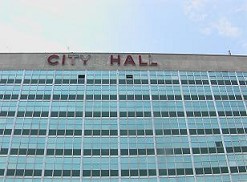
Picture: New Orleans City Hall (7 May 2006)
<Current Social Situation>
New Orleans was the only city in the United States to lose its school system, the justice system, home, and tax system. This week, the first trial has been held since last August.
In terms of the school system, only 4 out of 140 schools are open.
The water supply system has lost 80 %.
There is a nuclear power plant near New Orleans. Entergy Corporation is the operating company. However, the company was bankrupted. There are only 10 out of 400 staff members at present.
The natural gas pipeline has been damaged, making gas supply impossible. There are these energy supply problems.
As mentioned, the Entergy Corporation, which is supplying the gas, has been bankrupted, the Entergy Corporation has no support measures from the government.
<New Orleans Society and Geographical Background>
Hurricane Katrina is a human-made disaster. Concerning the background, levees were built in the early 1800s and have worked to prevent annual floods. However, the wetlands had been overlooked. In this area, they dug up the route, so this may cause the storm surge, and also oil drilling reduces the wetlands, weakened resistance to hurricanes.
Katrina disaster is also a national issue. The background of southeastern Louisiana, 40 % of the country’s oil is supplied from here. At the same time, 60 percent natural gas supply of the country is from here. Also, it has 135 chemical and petroleum refineries along the Mississippi River. These are unlikely to create a similar zone in the United States, where environmental pollution becomes a social problem. The Port of New Orleans (New Orleans harbor) can have the giant scale oil tanker in the port. Moreover, the New Orleans area is also a freight rail hub.
To be continued…
Day_160: Interview Report: Hurricane Katrina Response (1)
Now I am digging up my past experience. The report is a part of the project.
The below past article can be checked for your reference.
https://disasterresearchnotes.site/archives/2975
>>>>>>>>>>>>>>>>>>>>>>>>>>>>>>>>>>>>>>>>>>>>>>>>>>>
Date and time
7 May 2006
Visit
New Orleans Homeland Security and Public Safety Office
(New Orleans City Office of Homeland Security and Public Safety )
Interviewee
Colonel and Director
Subject
Hurricane Katrina Disaster Response
>>>>>>>>>>>>>>>>>>>>>>>>>>>>>>>>>>>>>>>>>>>>>>>>>>
<Contents>
< Work >
The interviewee: Responsible for the Police, fire, EMS (emergency medical services),
and crisis management of cooperation with state, federal and city
< The lessons of Katrina >
The lesson learned is, “We can not rely on external resources. Without relying on the federal (country) government, each person should think they need to protect themselves.” (This is the interview record.)
<Hurricane Katrina-What Happened>
Before Friday (8/26), all the state government was setting evacuation preparation. FEMA staff deployed throughout the city. Eighty percent of citizens evacuated on their own, but many of the rest were unable to evacuate with no means.
The city, about 15,000 civilians, were provided transportation means to be saved in the shelter. Besides, before hurricane landfall on Sunday(8/28), the people in the city who can not evacuate evacuated to Super Dome.
Since the federal government does not permit having a shelter in New Orleans, New Orleans is the only city in the U.S. that does not have a shelter. The Federation and the Red Cross had considered the situation as a dangerous task because of this.
When the hurricane comes, Super Dome became a temporary shelter.
Picture: New Orleans City Hall (on 7 May 2006)
After the hurricane, we had a tough week. After all, approximately 700 people of citizens lost their lives.
Day_158: Disaster Warning (2)
I will update a column of the NIED e-mail magazine which I wrote a long time ago because the content is not faded with time. (I will do this step by step in Japanese and English) I will also add comments to update the situation.
Sorry, now I am revising this post because of the difficulties of the translation. This post will be revised again. Thank you.
Published June 4, 2010
NIED-DIL e-mail magazine: Disaster Warning (2)
■ Disaster Warning (2) ■
Following the tornado that hit Saroma in Hokkaido in November 2006, I was given the opportunity to visit Oklahoma in the United States in February 2007 for a survey on tornado disaster response, especially tornado disaster alerts. In particular, I visited mainly the NWC (National Weather Center) built inside the University of Oklahoma. At there, Professor Emeritus Yoshikazu Sasaki helped us. He is very famous for being a model of the Hollywood movie “Twister.” I learned that U of Oklahoma, especially a climatological course rapidly became competitive in the U.S. after the movie was released. In the movie “Twister,” there was a scene where cows were flying in the air, at NWC, there was a coffee shop called Flying Cow.
The most impressive thing about the visit was the recognition that the NWC needed a wide range of cooperation on tornado response and put emphasis on community awareness. Regarding multi-disciplinary collaboration, the reason behind this is that even if we increase the accuracy and speed from tornado prediction to warning by science and technology, it will be human beings that will respond to it. Also, there is an organization called the Warning Decision Training Branch (WDTB) <Warning Judgment Training Center> inside the university. The existence is based on the fact that the decision of warning (Warning Decision) is not only radar data, but also specialized in model guidance and mesoscale analysis in combination with the human mind. People, the Emergency Manager, make decisions based on a variety of factors, including technical knowledge and reports from spotters (registered volunteers who inform the situation on the spot). The local factors and political conditions are also overlapped. The knowledge of meteorology expertise alone could not attain the purpose.
As for local enlightenment activities, as a contribution to the community, create and publicize many brochures, open a center, for example, tie-up with McDonald’s in a program called McLeady and give educational advertisements was doing. In this way, the NWC recognizes that disaster alerts are based on various factors such as understanding of human behavior, bonding with society, and political situations, and it is common sense that meteorology alone cannot respond. It was impressive that it was done.
Issued June 4, 2010-Issue 5
https://disasterresearchnotes.site/archives/2553