Category Archives: Disaster Risk Reduction

Day_158: Disaster Warning (2)

I will update a column of the NIED e-mail magazine which I wrote a long time ago because the content is not faded with time. (I will do this step by step in Japanese and English) I will also add comments to update the situation.

Sorry, now I am revising this post because of the difficulties of the translation. This post will be revised again. Thank you.

Published June 4, 2010
NIED-DIL e-mail magazine: Disaster Warning (2)

■ Disaster Warning (2) ■

Following the tornado that hit Saroma in Hokkaido in November 2006, I was given the opportunity to visit Oklahoma in the United States in February 2007 for a survey on tornado disaster response, especially tornado disaster alerts. In particular, I visited mainly the NWC (National Weather Center) built inside the University of Oklahoma. At there, Professor Emeritus Yoshikazu Sasaki helped us. He is very famous for being a model of the Hollywood movie “Twister.” I learned that U of Oklahoma, especially a climatological course rapidly became competitive in the U.S. after the movie was released. In the movie “Twister,” there was a scene where cows were flying in the air, at NWC, there was a coffee shop called Flying Cow.

The most impressive thing about the visit was the recognition that the NWC needed a wide range of cooperation on tornado response and put emphasis on community awareness. Regarding multi-disciplinary collaboration, the reason behind this is that even if we increase the accuracy and speed from tornado prediction to warning by science and technology, it will be human beings that will respond to it. Also, there is an organization called the Warning Decision Training Branch (WDTB) <Warning Judgment Training Center> inside the university. The existence is based on the fact that the decision of warning (Warning Decision) is not only radar data, but also specialized in model guidance and mesoscale analysis in combination with the human mind. People, the Emergency Manager, make decisions based on a variety of factors, including technical knowledge and reports from spotters (registered volunteers who inform the situation on the spot). The local factors and political conditions are also overlapped. The knowledge of meteorology expertise alone could not attain the purpose.

As for local enlightenment activities, as a contribution to the community, create and publicize many brochures, open a center, for example, tie-up with McDonald’s in a program called McLeady and give educational advertisements was doing. In this way, the NWC recognizes that disaster alerts are based on various factors such as understanding of human behavior, bonding with society, and political situations, and it is common sense that meteorology alone cannot respond. It was impressive that it was done.

Issued June 4, 2010-Issue 5

https://disasterresearchnotes.site/archives/2553

Day_156: Matsushiro Earthquake Center_NIED-DIL e-mail magazine

I will update a column of the NIED e-mail magazine that I wrote long ago because its content has not faded with time. (I will do this step by step in Japanese and English.) I will also add comments to update the situation.

Published April 5, 2010
NIED-DIL e-mail magazine: Matsushiro Earthquake Center

■ Matsushiro Earthquake Center ■

There is an organization called Matsushiro Earthquake Center in Matsushiro, Nagano Prefecture, Japan. The Center was established in February 1967 at the Japan Meteorological Agency in Matsushiro Town, Nagano Prefecture (now Nagano City), based on the Matsushiro Seismological Observatory, which was established in 1947. The background of this establishment is that between August 3, 1965, and April 17, 1966, insensitive earthquakes with seismic intensities 5 and 4 were observed three times each and a total of 6,780 earthquakes were detected in the Matsushiro town area. This severe earthquake activity has become a major social problem.

It is famous that Mayor Nakamura at that time said that he wanted to learn and research more than things and money, and that was the starting point of the Center. The Center is also well known as the location where the imperial general headquarters was planned to be built at the end of the Second World War. Besides, the experience gained from the observation of the earthquake has dramatically influenced the progress of earthquake prediction and disaster countermeasures today.

The author is organizing the records of the discourse at the time with the cooperation of the Japan Meteorological Agency’s Earthquake Observatory (Matsushiro Seismological Observatory) as the Disaster Information Office. I am surprised at the fascinating records. The fact that Matsushiro city was working to build a disaster-resilient town in the wake of an earthquake throughout the city is well communicated. For example, there was not only research on the earthquake itself but also research on the health status of students, including psychological aspects from nearby schools caused by a swarm. This was due to the cooperation of Matsushiro health centers and hospitals. It does not stop there. Members were active in the front lines of various fields at the time, such as landslide surveys caused by earthquakes and the impact on water supply facilities during earthquakes, reports from various perspectives.

I am sorry that the format, etc. is still insufficient, but I am starting to release these records on the HP in hopes that you can see it in a provisional form. Please see if you have time.

URL: http://dil.bosai.go.jp/library/matsushiro/MRecord.html

Now you can not access it, but you can ask NIED DIL for information.

Published on April 5, 2010

Matsushiro Seismological Observatory
https://www.data.jma.go.jp/svd/eqev/data/matsushiro/en/index.html

Day_152 : (In Japanese) 災害による報告死者数

かなり前に書いたメールマガジンのコラムですが、内容は、色あせていないので、復習を兼ねて、これから数回にわたり掲載致します。(同様に英語版も順番に掲載していきます。)

2010年2月4日発行
再掲NIED-DILメールマガジン:1回】災害による報告死者数
■災害による報告死者数■

1月12日ハイチで大きな地震がありました。その影響は、現在でも大きな社会問題ともなっていますが、初期の段階で大統領が20万人の犠牲者が出ていると宣言しました。

2005年8月末のハリケーン・カトリーナ災害のときは、最初1万人との報道がなされましたが、最終的に1千3百人ぐらいになりました。死者が少ないのに越したことはありませんが、日本と比べてお国柄がこのようなところにもでるのかと感じます。

日本の場合で典型的な事例は、阪神・淡路大震災の時です。当時筆者は京都に住んでおり、京都市内で働いておりましたが、大きなゆれのあと、朝7時ごろは、死者の数がまだ数人だったとTVなどで報道されていたのを覚えています。それが時間が経つにつれて、数百人、数千人と時間が経つごとに増えていきました。

アメリカは、トップダウンで戦略的、日本は、ボトムアップで正確さ重視、そんな感じがします。2004年のインド洋津波では、周辺諸国の報告死者数が上下していましたが、この点をとっただけでも、災害がその国の経済や社会状況を浮き彫りにする一端が見えてきます。

ハイチに関しては時を追うごとに報告死者数が増えておりその状況が心配されます。初期の段階の大統領の宣言どおりの数字にならないことを祈ります。

2010年2月4日発行

P.S.

例えば下記のワールドビジョンのHPでは、現在の推定死者を、250,000人としています。つまり、最初の報告は最終的には、ある意味的を得ていたことになってしまいました。

https://www.worldvision.org/disaster-relief-news-stories/2010-haiti-earthquake-facts

Day_151 : Disaster Information 5

I had a query on historical earthquake information in Japan. Therefore, I update the new useful disaster information especially historical data in Japan.

The following is the archive of disasters (can select disaster type, year, and area) all over Japan but only in Japanese.
The archive was created to collect all local government data in Japan.
The best book to know the historical earthquake disaster record is the following book. This is also only in Japanese.


The followings are the same as the disaster information 4.

Flood list: an excellent source of flood disasters
floodlist.com/tag/thailand
AHA center- adinet: disasters in ASEAN countries can be browsed and also checked in detail.

DRH-Asia: cases on local knowledge and their applications related to the technologies in Asian countries can be found.
http://drh.bosai.go.jp/
The post of the disaster information 3 is the followings:
https://disasterresearchnotes.site/archives/3171
——

Introduced you to the following disaster information.
1) General info. 2) Database 3) Update info

1) General info is the first website to check.
1. UNISDR

unisdr

2) Database is the base to analyze the target disasters.
1. EM-DAT

emdat

2. Desinventar

disinventar

The disinventar is very accurate and detailed, however, the listed
countries are limited.

3) Update info. Is the website, we can check on a daily basis.
These are also useful to overview of the recent disasters.
1. ReliefWeb

reliefweb

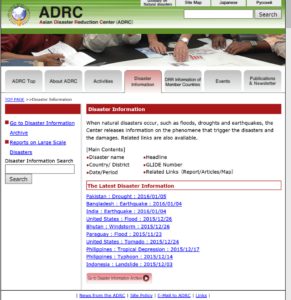
2. ADRC

adrc

3. ROSE

ROSE

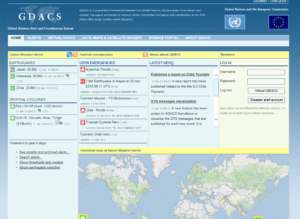
4. GDACS

GDACS

Concerning, data on demographic, socioeconomic, and others, we should
clarify the levels from national to local.

County Level
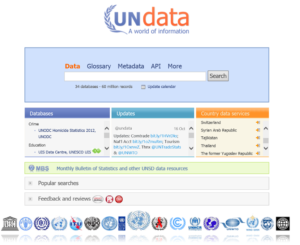
1. UN data

undata

2. World Bank open data

world bank data

3. CIA world factbook

world fact book

Provincial (States) Level
1. Government Office (National Statistics Office,etc.)

Community Level
1. Local Government Office
When we investigate the disasters, we first go to the ADRC (if the country is Asia) and Relief Web to see some significant numbers such as the death toll and affected numbers. Then, check the disaster history of the target areas by EM-DAT and Desinventar (if the country is listed). We also overview the county’s background by CIA world fact book and check some socio-economic data by UN or World bank open data. In addition, the local government or community data of the target area are significant to be accessed. These are the primary action to grasp the whole picture of the disaster.

Day_149: Flood Disaster Preparedness Indices (FDPI)

ICHARM (International Centre for Water Hazard and Risk Management) allowed me to engage in the project on the development of Flood Disaster Preparedness Indices (FDPI). This project is also linked to one of the projects of the Typhoon Committee (World Meteorological Organization/United Nations ESCAP).

You can see the outline of the project on the following website:.

http://www.apan-gan.net/adaptation-technologies/database/flood-disaster-preparedness-indices-fdpi

The established site is the self-evaluation system for local disaster managers around the world, especially in developing countries. Therefore, we have prepared the multi-language (16 languages) versions. You can evaluate your community’s preparedness ability by yourself, and experience can also be shared depending on your situation.  You can easily see your results on the website. The results are automatically sent to the administrator to check on the situation. If the administrator understands the severity, he or she can communicate with the international aid agencies.

http://www.fdpi.jp/fdpi/

To be continued…

Day_148: The World Largest Disaster Links

Below is the disaster links site, which was created a long time ago. I will renew this site step-by-step. In addition, some are still only in Japanese, and original disaster-related pictures are omitted, so I will also consider these.

http://disasters.weblike.jp/linklibrary.html

The below disaster-related world organization’s link site is the one that was built when I was working at NIED DIL and is still working as one of the products there. I am very happy to know that, but I would also like to renew this to contribute to the institute with my gratitude in the near future, I hope.

https://dil.bosai.go.jp/link/world/english/index.html

Day_144 : Disaster Information 4


The update of some useful disaster information websites are as follows:

Flood list: an excellent source of flood disasters

floodlist.com/tag/thailand

AHA center- adinet: disasters in ASEAN countries can be browsed and also checked in detail.


DRH-Asia: cases on local knowledge and their applications related to the technologies in Asian countries can be found.

http://drh.bosai.go.jp/

The post of the disaster information 3 is the followings:

https://disasterresearchnotes.site/archives/3171

——

Introduced you the following disaster information.
1) General info. 2) Database 3) Update info

1) General info is the first website to check.
1. UNISDR

unisdr

2) Database is the base to analyze the target disasters.
1. EM-DAT

emdat

2. Desinventar

disinventar

The disinventar is very accurate and detailed, however, the listed
countries are limited.

3) Update info. Is the website, we can check on a daily basis.
These are also useful to overview of the recent disasters.
1. ReliefWeb

reliefweb

2. ADRC

adrc

3. ROSE

ROSE

4. GDACS

GDACS

Concerning, data on demographic, socioeconomic, and others, we should
clarify the levels from national to local.

County Level
1. UN data

undata

2. World Bank open data

world bank data

3. CIA world factbook

world fact book

Provincial (States) Level
1. Government Office (National Statistics Office,etc.)

Community Level
1. Local Government Office
When we investigate the disasters, we firstly go to the ADRC (if the country is Asia) and Relief Web to see some significant numbers such as the death toll and affected numbers. Then, check the disaster history of the target areas by EM-DAT and Desinventar (if the country is listed). We also overview the county’s background by CIA world fact book and check some socio-economic data by UN or World bank open data. In addition, the local government or community data of the target area are significant to be accessed. These are the primary action to grasp the whole picture of the disaster.

Day_140 : Natural Disasters in Europe (2) Vajont Dam Collapse


europe-pic
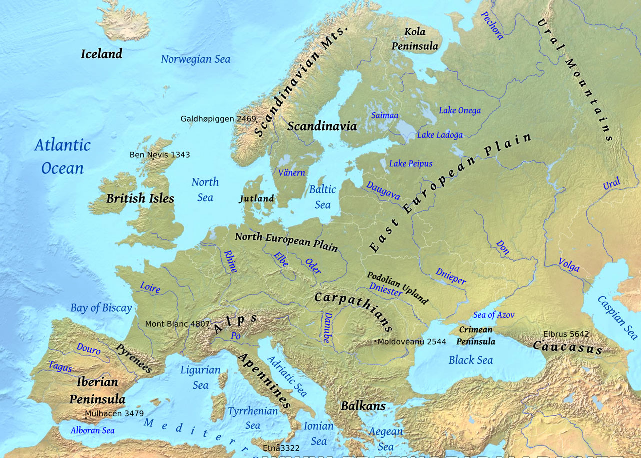
Figure   The Europe

Concerning hydrological, meteorological, and climatological disasters, heavy rain and storm disasters are caused by low  pressure in the Icelandic area developed in the winter season. A cold atmospheric current coming from Arctic gains a warmer vapor stream from the Gulf Stream and develops a strong atmospheric depression in the area. This causes the strong winds and high tidal waves along the coastal areas of the North Sea. Netherlands and England can be highlighted. The Netherlands had storm surges in 1530 and 1570. The death tolls were approximately 400,000 (1530) and 70,000 (1570) for each. The 1953 depression took 1800 deaths. This disaster also reached England. England’s disasters were the 1703 Thames river flood and the 2003 Heatwave. The temperature was 8–10 over an average year in August 2003 (Day 38).

Danube, Elbe, Rhine, and Seine rivers are on a gentle slope, causing slow inundations caused by heavy rains. On August 2, 2002, Central Europe had heavy rain, which caused the Danube and Elbe rivers to overflow in Germany, Czech Republic, Austria, and Hungary. The death toll is approximately 100; the number of people affected is over 100,000. Historical buildings in the city, such as Prague,Dresden, and so on, along the rivers, were also inundated.

The Alps  have had landslides, debris flows, slope failures, and so on. The particular example is the landslide in the Dolomites, North Italy, in 1963. Overflows from Vajont dam caused by a large-scale landslide attacked the village in downstream areas. The death toll is approximately 2600.

A brief explanation


An interview-based explanation

On August 2003, West Europe had 8–10 degrees celsius higher than the average. This heat wave killed 15000 in France, 7000 in Germany, 4000 in Spain, 4000 in Italy, and so on, for a total of 35000.

In summer 2010, Russia had a heat wave and this makes wildfire. The wildfire was spread out and it took over 1.5 months to extinguish.Many villages were destroyed by the fire. Moscow was covered by harmful smoke. Over 55,000 people were killed by the heat wave and the smoke in Russia.

To be continued…

Day_137 : Aging Asia to Natural Disasters -Thailand(2)-

Day_68 indicates Thai population in 2012 was 64,460,000 and the proportion of those over 65 is 8.6 percent (11 percent in 2016) compared to 3.1 percent in 1970. This shows that Thailand is facing an aging society and the World Population Prospects* predicts this trend will accelerate. This situation is not exclusively in Thailand, but can likewise be viewed in almost all Asian nations. In addition, Asia is the most vulnerable in terms of natural disasters such as 7 of 10 of the deadliest natural disasters (1980-2014) took place in this region(Day_79). The World Bank mentions how Thailand faces the aging society from an economic development perspective, however, we also need to recognize this from a disaster reduction viewpoint. Okushiri island case can give us a significant insight(Day_75). This gives us a challenge of how disaster-resilient society can be established in the situation.

The World Bank notices**:
The Thai population is aging rapidly. The declining share of the working-age population will affect economic growth.
– As of 2016, 11% of the Thai population (about 7.5 million people) are 65 years or older, compared to 5% in 1995.
-By 2040, it is projected that 17 million Thais will be 65 years or older – more than a quarter of the population.
-Together with China, Thailand has the highest share of elderly people of any developing country in East Asia and Pacific.
-The primary driver of aging has been the steep decline in fertility rates, which fell from 6.1 in 1965 to 1.5 in 2015, as a result of rising incomes and education levels and the successful National Family Planning Program launched in 1970.
-The working-age population is expected to shrink by around 11% as a share of the total population between now and 2040 – from 49 million people to around 40.5 million people.
This decline in the working-age population is higher in Thailand than in all other developing East Asia and Pacific countries, including China.

https://disasterresearchnotes.site/archives/2785

https://disasterresearchnotes.site/archives/2753

* World Population Prospects
https://esa.un.org/unpd/wpp/

** World Bank, 2016
Thailand Economic Monitor – June 2016: Aging Society and Economy

Disaster data and statistics can be referred by the following link:
http://www.preventionweb.net/english/professional/statistics/

Day_134 : Thailand Disaster Chronology (1) 2001-2012

The collected information on Thailand natural disasters 2001-2011.
This is a tentative version.

Date Places(Provinces, etc) Disaster Type Situations
2001.8.21 North, upper central, northeastern and eastern provinces Flood A flash flood swept down a mountainside through villages in Lomsak district
death:164 people
damage estimate :24.4 million dollars
2001.12.24 Southern Provinces Flood Thousands of people in southern Thailand fled their houses after heavy rains triggered floods.
2002.4.29 The Thailand’s largest refugee camp near the Myanmar border Storm A freak tropical storm has killed five people at the refugee camp. The storm made damaged about 300 bamboo shelters as it tore through the camp.Around 40,000 Karen people live in shelters near the Myanmar border.
2002.9.3 Northern Provinces Heavy Rain At least 14 people were killed and more than 20 were missing after their makeshift houses on the banks of an overflowing stream collapsed after heavy rain.
Death:39 people
Damaged house: 150,000
2002.9.18 Northern Provinces Mud Slide Some 800 people narrowly escaped a huge mudslide in northern Thailand on Tuesday as it swept through three villages in a tangle of uprooted trees and destroyed buildings, a district official said.
2002.10.4 Bangkok Flood Residents of the Thai capital, Bangkok, are bracing themselves for severe flooding following forecasts that floodwaters coming from the north of the country.
2003.10.26 Eight Provinces Flood Five days of heavy monsoon rains have brought severe floods to Thailand, killing a 13-year-old boy, forcing hundreds of people from their homes and disrupting road and rail transport, officials said.
Dead: 1 person
Affected: at least 200,000 people
(in 8 provinces)
Evacuated: more than 1,600 people
2003.12.14 Southern Provinces Flood Floods in Thailand have killed at least eight people and damaged tens of thousands of homes.
2004.12.24 Krabi, Trang, PhangNa, Phuket, Ranong, Saturn Tsunami On 26 December 2004, Tsunami occurred off the Sumatra Island killed 5,395, affected 58,550, and whose total loss was US$ 399.78 million in Thailand
2005.8.31 Northern Provinces (Chiang Rai, Chiang Mai and Mae Hong Sorn Provinces) Flood Over 100,000 families have been affected by severe flooding in Northern Thailand in the middle of August. Torrential rains which earlier in August hammered Chiang Rai, Chiang Mai and Mae Hong Sorn inundated more than 4 500 villagers’ homes in these three provinces alone leaving 11 people dead and making several roads impassable to small vehicles.
2005.12.18 Southern Provinces Torrential monsoon rains Torrential monsoon rains have wreaked havoc across Thailand’s south, killing 12 people and leaving two missing in the past week, officials said on Sunday. Seven of the victims died in two mudslides.
2006.05.23 Northern Provinces Flood,Mud Slide Heavy monsoon rains unleashed flash floods and mudslides in northern Thailand which killed at least 10 people, left 47 missing and thousands homeless, officials said on Tuesday.
2006.10.10 43 provinces in the country’s north, north-east and central Thailand Flood More than 32 dead in Thai floods since August 2006, reported on October 10.
2007.04.14 Trang Flood Flash floods killed at least 23 holidaymakers and injured more than 20 at three waterfalls in the southern Thai province of Trang on Saturday as they celebrated the Thai New Year, disaster officials said.
2008.04.27 Thak Flood Rains have continued pouring in Thak province, Thailand at least four consecutive days. Over 1,000 people are currently homeless.
2008.8.15 Nakhon Phanom Flood The disaster prevention special command center in Nakhon Phanom province is in the midst of assessing the damage caused by inundation in 12 districts. More than 100,000 people have been affected by flooding. Meanwhile, the death toll has reportedly stood at 1.
2008.09.08 North and Northeast Provinces Flood Heavy downpours due to a low-pressure trough and the south-western monsoon in the past week have triggered more flash floods and inundated villages and farmland in north and northeast Thailand. According to disaster officials, five people have been killed, 114,345 (34,182 families) have been affected.
2008.10.01 Northern, north-eastern and central provinces Heavy Rain The death toll from floods triggered by heavy monsoon rains has risen to 23, while nearly 230,588 people have been treated for water-related illnesses and injuries.
2008.09.31-10.01 Si Sa Ket Province Typhoon Typhoon Mekkahla hit between 31 September and 1 October 2008. The cyclone caused torrential rains which killed 32, affected 2,864,484 and whose total loss was US$ 21.6 million including Vietnam.
2008.11.19 Southern Provinces Flood 201,434 people affected, 10 people died and 190 families homeless (685 persons) from heavy rain in southern Thailand.
2008.12.08 Yala Flood After heavy rains in southern Yala province, Thailand, the Disasters’ Prevention Special Command Centre in Yala has issued warnings on 8 December 2008 to the people in the area to be cautious of potential hazards and flash floods after over 3,000 local families being affected.
2009.11.07 Southern border provinces Flood The flooding which started in the southern border province in Thailand so far killed 10 people
2010.08.13 Lampang Flood The flood struck the northern province of Lampang on Friday night (13 August 2010) with the water level as high as one meter. Over 1,200 households and 36 villages in 7 districts have been affected.
2010.10.16 Nakhon Ratchasima Flash Flood Nakhon Ratchasima has been ravaged as flash floods wreak havoc in the Northeast and Central Plains following heavy weekend monsoon rains.
2011.03 47 Provinces Drought The Department of Disaster Prevention and Mitigation, Thailand announced drought in 47 provinces.
2011.03.27 Southern Provinces Flash Flood Since 23 March 2011 there has been a prolonged heavy rainfall causing flash floods in many provinces in the South.
2011.07-2012.02 Provinces of Northern, Northeastern and Central Thailand along the Mekong and Chao Phraya river Flood Severe flooding occurred during the 2011 monsoon season in Thailand, beginning at the end of July and ceasing mid-January 2012. The flooding affected the provinces of Northern, Northeastern and Central Thailand along the Mekong and Chao Phraya river basins, as well as parts of the capital city of Bangkok. It resulted in a total of 813 deaths, 9.5 million people affected and economic damage of USD40 billion.
2011.08.03 North and the northeast provinces Tropical Storm, Flood Tropical Storm Nock Ten has caused continuous rainfalls in the north and the northeast of Thailand, causing floods in 15 provinces.
2012.06.06 Surat Thani Heavy Rain, Flood Continuous rain has caused flooding in five districts in Surat Thani province of southern Thailand, affecting 8,500 households and over 27,000 residents.
2012.09.12 Northern Provinces Flood Thousands have fled their homes in Northern Thailand after heavy rain caused a major river to overflow at the start of September.

Source: ADRC, Reliefweb, BBC, JICA, etc. (The source will be indicated)