
Tag Archives: demographic data
Day_151 : Disaster Information 5
Leave a reply
I had a query on historical earthquake information in Japan. Therefore, I update the new useful disaster information especially historical data in Japan.
The following is the archive of disasters (can select disaster type, year, and area) all over Japan but only in Japanese.
The archive was created to collect all local government data in Japan.
The best book to know the historical earthquake disaster record is the following book. This is also only in Japanese.
The followings are the same as the disaster information 4.
Flood list: an excellent source of flood disasters
floodlist.com/tag/thailand
AHA center- adinet: disasters in ASEAN countries can be browsed and also checked in detail.
DRH-Asia: cases on local knowledge and their applications related to the technologies in Asian countries can be found.
http://drh.bosai.go.jp/
The post of the disaster information 3 is the followings:
https://disasterresearchnotes.site/archives/3171
——
Introduced you to the following disaster information.
1) General info. 2) Database 3) Update info
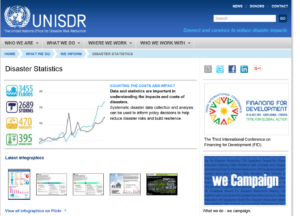
1) General info is the first website to check.
1. UNISDR
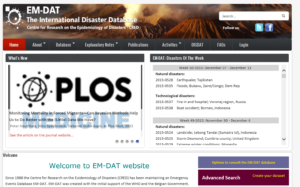
2) Database is the base to analyze the target disasters.
1. EM-DAT
2. Desinventar
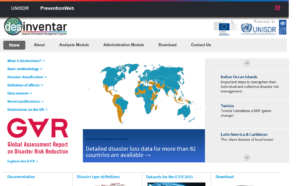
The disinventar is very accurate and detailed, however, the listed
countries are limited.
3) Update info. Is the website, we can check on a daily basis.
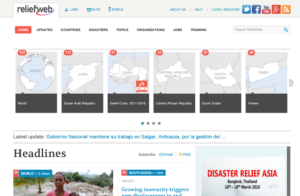
These are also useful to overview of the recent disasters.
1. ReliefWeb
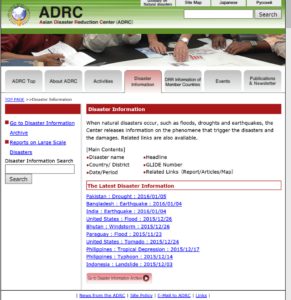
2. ADRC
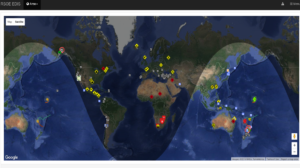
3. ROSE
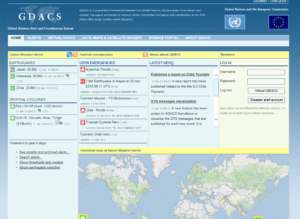
4. GDACS
Concerning, data on demographic, socioeconomic, and others, we should
clarify the levels from national to local.
County Level
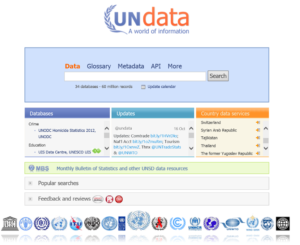
1. UN data
2. World Bank open data

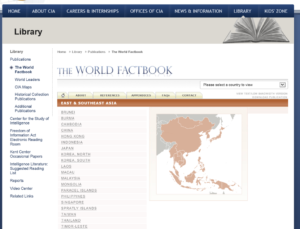
3. CIA world factbook
Provincial (States) Level
1. Government Office (National Statistics Office,etc.)
Community Level
1. Local Government Office
When we investigate the disasters, we first go to the ADRC (if the country is Asia) and Relief Web to see some significant numbers such as the death toll and affected numbers. Then, check the disaster history of the target areas by EM-DAT and Desinventar (if the country is listed). We also overview the county’s background by CIA world fact book and check some socio-economic data by UN or World bank open data. In addition, the local government or community data of the target area are significant to be accessed. These are the primary action to grasp the whole picture of the disaster.
Day_144 : Disaster Information 4
The update of some useful disaster information websites are as follows:
Flood list: an excellent source of flood disasters
AHA center- adinet: disasters in ASEAN countries can be browsed and also checked in detail.
DRH-Asia: cases on local knowledge and their applications related to the technologies in Asian countries can be found.
The post of the disaster information 3 is the followings:
https://disasterresearchnotes.site/archives/3171
——
Introduced you the following disaster information.
1) General info. 2) Database 3) Update info
1) General info is the first website to check.
1. UNISDR
2) Database is the base to analyze the target disasters.
1. EM-DAT
2. Desinventar
The disinventar is very accurate and detailed, however, the listed
countries are limited.
3) Update info. Is the website, we can check on a daily basis.
These are also useful to overview of the recent disasters.
1. ReliefWeb
2. ADRC
3. ROSE
4. GDACS
Concerning, data on demographic, socioeconomic, and others, we should
clarify the levels from national to local.
County Level
1. UN data
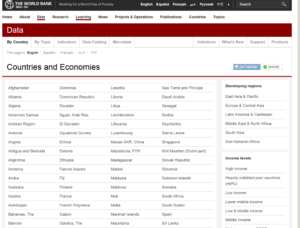
2. World Bank open data
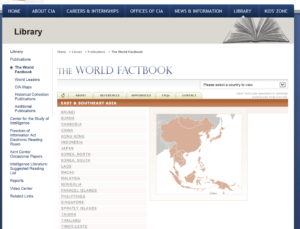
3. CIA world factbook
Provincial (States) Level
1. Government Office (National Statistics Office,etc.)
Community Level
1. Local Government Office
When we investigate the disasters, we firstly go to the ADRC (if the country is Asia) and Relief Web to see some significant numbers such as the death toll and affected numbers. Then, check the disaster history of the target areas by EM-DAT and Desinventar (if the country is listed). We also overview the county’s background by CIA world fact book and check some socio-economic data by UN or World bank open data. In addition, the local government or community data of the target area are significant to be accessed. These are the primary action to grasp the whole picture of the disaster.
Day_69(rev) : Disaster Information 3
Introduced you the following disaster information.
1) General info. 2) Database 3) Update info
1) General info is the first website to check.
1. UNISDR
2) Database is the base to analyze the target disasters.
1. EM-DAT
2. Desinventar
The disinventar is very accurate and detailed, however, the listed
countries are limited.
3) Update info. Is the website, we can check on a daily basis.
These are also useful to overview of the recent disasters.
1. ReliefWeb
2. ADRC
3. ROSE
4. GDACS
Concerning, data on demographic, socioeconomic, and others, we should
clarify the levels from national to local.
sponsored link
County Level
1. UN data
2. World Bank open data
3. CIA world factbook
Provincial (States) Level
1. Government Office (National Statistics Office,etc.)
Community Level
1. Local Government Office
When we investigate the disasters, we firstly go to the ADRC (if the country is Asia) and Relief Web to see some significant numbers such as the death toll and affected numbers. Then, check the disaster history of the target areas by EM-DAT and Desinventar (if the country is listed). We also overview the county’s background by CIA world fact book and check some socio-economic data by UN or World bank open data. In addition, the local government or community data of the target area are significant to be accessed. These are the primary action to grasp the whole picture of the disaster.
Day_69 : Disaster Information 3
Introduced you to the following disaster information.
1) General info. 2) Database 3) Update info
1) General info is the first website to check.
1. UNISDR
http://www.unisdr.org/we/inform/disaster-statistics
2) Database is the key to analyze the target disasters.
1. EM-DAT
http://www.emdat.be/
2. DesInventar
http://www.desinventar.net/index_www.html
3) Info. Update website can be checked daily.
These are also useful to overview of the recent disasters.
1. ReliefWeb
http://reliefweb.int/disasters
2. ADRC
http://www.adrc.asia/
3. ROSE
http://hisz.rsoe.hu/
4. GDACS
http://www.gdacs.org/
Concerning, data on demographic, socioeconomic, and others, we should
clarify the levels from national to local.
County Level
1. UN data
http://data.un.org/
2. World Bank open data
http://data.worldbank.org/
3. CIA world factbook
https://www.cia.gov/library/publications/the-world-factbook/
Provincial (States) Level
1. Government Office (National Statistics Office,etc.)
Community Level
1. Local Government Office
When I investigate the disasters, I first go to the ADRC (if the country is Asia) and Relief Web to see some significant numbers such as the death toll and affected numbers. Then, check the disaster history of the target areas by EM-DAT and Desinventar (if the country is listed). I also overview the county’s background by CIA world factbook and check some socio-economic data by UN or World bank open data. Besides, the local government or community data of the target area are significant to be accessed. These are the first action to grasp the whole picture of the disaster.