
Category Archives: Climate Change

Day_197 : The Science of Lightning: A Fascinating Force of Nature

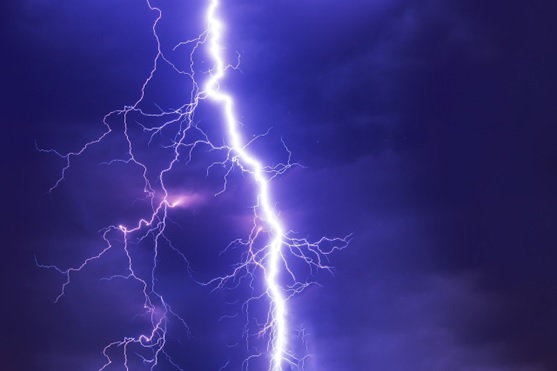
Ever caught yourself staring at the sky, mesmerized by lightning during a storm? This natural marvel is not only captivating but also perilous. Despite centuries of study, the intricacies of lightning strikes continue to be a field of active research. In this exploration, we delve into how lightning forms, its types, associated dangers, and the science of thunder, providing insights for both enthusiasts and the casually curious.

Formation of Lightning

Lightning originates from electric charges accumulating in the atmosphere. This process begins as the sun warms the Earth, causing air to rise, cool, and form clouds. Inside these clouds, the movement of water droplets and ice particles generates an electrical charge. A significant charge difference between parts of the cloud or between the cloud and the ground can ignite a spark—lightning. The intense heat from a lightning strike causes air to expand, creating thunder.

Types of Lightning

Lightning manifests in various forms, including:

Cloud-to-Ground Lightning: The most familiar type, where a bolt strikes from the cloud to the Earth.

Intra-Cloud and Cloud-to-Cloud Lightning: Occurring within or between clouds, respectively.

Ball Lightning: A rare phenomenon of a glowing orb appearing during storms, whose origin remains a mystery.

The Thunder Phenomenon

Thunder is the sound produced by the rapid expansion of air around a lightning bolt. Timing the gap between seeing lightning and hearing thunder can estimate the distance of the strike—every five seconds equals approximately one mile.

Dispelling Lightning Myths

Contrary to popular belief, lightning can strike the same place more than once, especially if it’s a tall structure. Also, while buildings offer better protection than being outdoors, they are not entirely safe from lightning strikes.

Staying Safe During Storms

To minimize risk during thunderstorms:

Stay indoors and unplug electronics.

Seek shelter in a vehicle or sturdy building if outside.

Keep away from tall objects like trees and poles.

Spread out if in a group to reduce the risk of multiple injuries.

Tracking and Protecting Against Lightning

Modern technology, including lightning detectors and mappers, helps track and analyze lightning activity. For protection, lightning rods and surge protectors can safeguard buildings and electronics from strike-induced damages.

Lightning and Climate Change

There’s growing evidence that climate change may increase lightning frequency by creating more thunderstorm conditions. However, further research is needed to understand this relationship fully.

In Conclusion

Lightning, a compelling display of nature’s might, offers much to learn and appreciate. Understanding its science not only enhances our wonder but can also guide us in safeguarding against its dangers. So next time a storm lights up the sky, remember the fascinating science behind each bolt.

Day_192 : What are the differences between cyclones, typhoons, and hurricanes?

The terms cyclone, typhoon, and hurricane all refer to the same meteorological phenomenon but are used in different regions of the world. They describe a large, violent tropical storm system with strong winds and heavy rain. Here are the distinctions:

  1. Cyclone is the term used in the South Pacific and Indian Oceans. The word “cyclone” is also used in a broader sense to refer to any circulating weather system over the ocean characterized by closed isobar patterns and circular wind movement, whether tropical or not. In the Indian Ocean and South Pacific, when the system reaches sustained wind speeds of at least 74 miles per hour, it is called a tropical cyclone.
  2. Typhoon is the name given to these storm systems in the Northwest Pacific Ocean, typically west of the dateline. Like hurricanes and cyclones, a typhoon forms over warm tropical oceans and gains energy. When the sustained winds in this system reach or exceed 74 miles per hour, it is officially referred to as a typhoon.
  3. Hurricane is the term used in the North Atlantic, Central, and Eastern North Pacific oceans. The criteria for being classified as a hurricane are the same as for typhoons and cyclones, with sustained wind speeds of at least 74 miles per hour.

The naming convention is primarily geographical. The structure and behavior of these storms are the same, and they all belong to the category of tropical cyclones. The difference in nomenclature does not imply a difference in the hazard or potential damage these storms can cause, which is primarily dependent on their size, strength, and the area they affect.

A condensed list of references to support the distinctions between cyclones, typhoons, and hurricanes:

  1. The World Meteorological Organization (WMO) provides official definitions and classifications for tropical cyclones, typhoons, and hurricanes based on regional basins.
  2. National Hurricane Center (NHC) and Central Pacific Hurricane Center (CPHC): Part of the United States’ National Oceanic and Atmospheric Administration (NOAA), these centers offer detailed information on hurricanes, including the distinctions between hurricanes, typhoons, and cyclones.
  3. The Australian Bureau of Meteorology (BOM) offers insights into cyclones, especially in the South Pacific and Indian Ocean regions, detailing their formation, classification, and impacts.
  4. Japan Meteorological Agency (JMA): Provides information on typhoons, their tracking, and impacts in the Northwest Pacific region.
  5. Indian Meteorological Department (IMD): Offers comprehensive data on cyclones in the Indian Ocean, including classifications and warnings.

These organizations are key in tracking, studying, and providing information on these storm systems worldwide. They use specific criteria for wind speeds, atmospheric pressure, and other factors to classify these storms according to the region they occur in.

Day_189: Understanding Heat Waves and Their Big Impact

When it gets boiling for several days, it’s often because of heat waves. These are a big deal and not just a minor inconvenience because they result from numerous intricate factors. Let’s explore what causes heat waves, how they affect us and the environment, and what we can do about them. As climate change makes heat waves more intense, it’s essential to learn about them and consider how to adapt.

What Causes Heat Waves?

Heat waves happen when the weather stays scorching for a long time. This is usually because high-pressure systems trap warm air in one place. No clouds mean lots of sunshine, making it even hotter. Other things like jet streams, hotter cities than surrounding areas, dry soil, and lack of plants can worsen heat waves. Significant weather patterns over the ocean, like El Niño, can also change how often and how severe heat waves are. Understanding all this helps us prepare for and try to lessen the harmful effects of heat waves.

How Do Heat Waves Affect Us and Nature?

Heat waves can cause many problems. They can lead to more wildfires, harm wildlife, and reduce the amount of food farmers can grow. They also use up a lot of water. People’s health can suffer, too, especially from heat-related illnesses. Heat waves can make some health conditions worse, lower air quality, and increase diseases spread by mosquitoes and ticks.

Dealing with Heat Waves

To deal with heat waves, we can plant more trees in cities, build buildings that don’t get as hot, and ensure everyone knows how to stay cool. With more heat waves expected because of climate change, building stronger buildings and improving weather warning systems is essential to keep everyone safe.

Getting Ready for More Heat Waves

As heat waves become more common, we all need to prepare. This means knowing how to keep cool, strengthening our communities against heat, and supporting laws that help deal with heat waves. By working together, we can be better prepared for hot weather and ensure everyone stays safe.